
Repointing UK Area: No matter how old your home in the UK is, there comes a time when a little repair and maintenance is required. Homes in the UK are impacted by all weathers, pollution and other damaging issues that may affect the condition of the mortar between the bricks, and if you see evidence of this you will need to call someone. If it is essential to repair or renovate your crumbling brickwork, an established brick repointing specialist in the UK will offer a high quality solution.

A property is only as strong as the bricks and mortar that hold it all together, and this is always worth keeping in mind. In order to stop any draughts and damp from finding a way into your house, the mortar should be sound, and not have any holes or gaps. But how can you tell exactly when you need to do repointing your property in the UK?
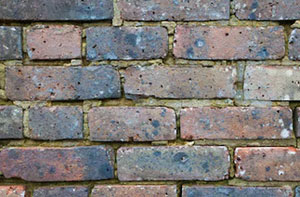
Examine your external walls and look for any damage that can be seen with the naked eye. If you can see issues then you have an issue. In the vast majority of buildings you shouldn't have too much of a problem spotting clear signs of degradation, although it may be a good idea to bring in an expert to inspect those hard to reach and remote places such as under eaves or on chimneys.
It's not only aesthetics that are in jeopardy if your house in the UK needs to be repointed, there are questions of safety to consider as well. Mortar is the binding agent that holds everything together in any UK property, and if it is in a bad state of repair it can have an impact on the integrity of a structure. When contemplating damage to property and risk of injury, any weeknesses in the framework of the building can have alarming consequences, and this is even more of a worry in buildings with chimney stacks or tall buildings.
Taking steps to fix repointing problems early on can save homeowners in the UK a lot of money over time. Small cracks & openings in the mortar between bricks allow water to enter through the bricks and cause frost damage, dampness inside the home, and an overall slow breakdown of the other bricks around it. When homeowners repair their repointing issues before there is too much damage done, they can save themselves substantial amounts of money on structural repairs while retaining their property's appearance, value, and energy efficiency. Homeowners may also prolong the life of their brickwork & avoid unnecessary repairs by frequently inspecting and maintaining their brickwork.
If you're renovating an older house in the UK, you may also have to repair bricks that have been impaired or damaged over time. Any deteriorating bricks found during the survey by the repointing specialist will be repaired or replaced before any repointing is completed.
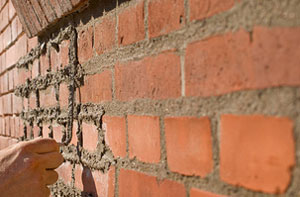
In homes where the exterior walls have been painted or rendered over in the past, you might see areas which are prone to dampness or are discoloured, which might be an indication of problems. Damage to either bricks or mortar beneath the surface could be suggested by cracks, flaking or bubbling in the paint or plaster. The only safe way to make sure the deterioration doesn't spread more widely and trigger structural complications as time goes on, is to get a specialist contractor to investigate. After that you can be secure in the knowledge that your exterior walls are in the best condition possible, and that the restoration work has been carried out by an expert.
WHAT ARE THE STEPS IN REPOINTING BRICKWORK IN CAPITALS?
Repointing is a lengthy process and can involve working at considerable height, subject to the layout of your property. To assess the extent of the damage and the work that is required on your structure, the first task for a repointing business will be to carry out a visual inspection of the site. As soon as they've carefully considered all this information, they'll be able to supply you with an estimate for the complete project. The same level of service won't be provided by all repointing companies in the UK area, so make an effort to get a minimum of three quotations, and closely consider each of them.
If the surveyor who did the initial survey was unable to inspect some of the more out-of-reach sections of your property, a ladder or even a scaffold could be required to carry out a far more thorough survey. If further, more serious problems are uncovered by this more meticulous survey, a revised (higher) estimate might result. If your house in the UK is over sixty years old and has never been repointed then it's likely to require additional work when compared with a more up-to-date dwelling.

Reparation work can begin once the trouble spots have been uncovered and agreed with the owner of the property. To provide a robust working platform for the team of repointing specialists, most homes will require some scaffolding to be set up. As soon as the scaffolding is in position some protective sheeting will be fixed on its outer side. This is to avoid any damage to property and reduce the injury risk to everybody in the vicinity of the scaffolding.
Any external wires, such as TV or satellite, will be removed from the walls and any piping may be removed or adjusted to allow easier access to the brickwork behind. These will all be replaced after the project has been completed.
If the brickwork on your property in the UK is pebble-dashed, rendered or painted, these coverings must be stripped off so that the bare brick surfaces can be accessed. A thorough cleaning and sanding of the brick surfaces behind such coverings will be necessary, to make certain that your walls have a neat and uniform finish on completion.
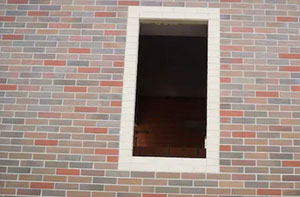
If you've not yet decided upon a a style of pointing (Tuck, Weather Struck, Flush or Recessed pointing), or you wish to see how the various different pointing methods appear on your house, a competent UK repointing contractor will be happy to produce a test panel on your property. This enables you to see how each would look on your house and showcase the different styles and colours available.
The next thing is to take out the old mortar in stages by raking and cleaning out the joints in the brickwork. This can be a laborious process where the old mortar and any dust or loose debris must be carefully cleaned out to produce a decent bonding surface for the new mortar. Any door and window openings will be paid extra care by the repointers to prevent any disturbance of the frames or having too much mortar applied which could cause problems in their opening and closing.
So that the new mortar does not dry out too fast, the brickwork will be dampened before any new pointing is started. This keeps the mortar flexible and enables it to dry at a slower pace to prevent cracking, which can lead to a weakened joint. When it is sufficiently dry it's time to clean up any smears and excess mortar from the adjacent bricks. The repointers will tackle the walls in small sections, pointing and cleaning each one as they go along before moving on to a new patch.
It is possible that as the repointers are doing their work they may find damaged brickwork that needs replacing, or maybe problems with a chimney stack or faulty lead flashing, and an experienced repointer will be ideally placed to complete these repair work as they go along.
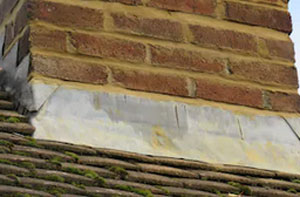
Any rendering, paint or other wall covering that you need will be re-applied once all of the repointing work has been completed. The final phase of the repointing project will entail all pipes, cables and other fixtures put back in their original positions, scaffold disassembled and all waste materials removed from the site.
After completing repointing, homeowners in the UK should have periodic inspections performed on the mortar to ensure that it remains in good shape. Professional repointing usually lasts for multiple decades; however, the effects of inclement weather, the growth of vegetation, and the blockage of gutters can cause premature breakdowns in repointing. In addition to maintaining clean walls & the proper operation of rainwater goods, by repairing small cracks & holes in their repointing as soon as they are detected, homeowners can reduce the risk of having to make significant expenses associated with repairing their brick structures, allowing their brick structures to perform well for many years to come.
Your repointing and brick repair ought to last for another 50 to 60 years so long as it is undertaken by a skilled and professional repointing specialist in the UK. Guarantees should be offered for the restoration work and they should have an affiliation with providers and manufacturers from the construction industry covering defective materials.
Such accreditations may include: the Federation of Master Builders, the National House Building Council and the National Federation of Building Contractors, whilst qualifications could range from City & Guilds, Diplomas and NVQ's from industry specialists such as the CIOB (Chartered Institute of Building). Moreover, every worker on the repointing team who does work on your home should be a holder of a CSCS card (Construction Skills Certification Scheme) to demonstrate they have the appropriate training and skills for their respective role in the project.

Brickwork Crack Stitching
Brickwork crack stitching is a procedure used to repair cracks in brickwork buildings and structures. The affected area's mortar bed is reinforced with stainless steel rods that are securely held in place with a special grout, providing extra support to the weakened brickwork. This approach is used to prevent further cracking and strengthen affected brickwork by providing extra support. By incorporating flexible rods into the mortar bed, this procedure can provide the much needed support and absorb any additional stress that may arise from the structure's movements. By employing the crack stitching process, cracks in brick structures, including walls, bridges, chimneys and tunnels, can be effectively repaired, resulting in enhanced structural integrity. This procedure is a straightforward and efficient solution to a commonplace issue in brickwork structures and can significantly extend the structure's lifespan. Both historic and modern structures can benefit from this procedure, which is often favoured over other repair procedures due to its non-invasive and cost-effective nature. It is important to note, however, that crack stitching should only be undertaken by a professional with a practical knowledge of this procedure, given that incorrect installation can cause further damage to the building. The reliability and effectiveness of crack stitching have made it a widely accepted solution for rectifying cracks in brick-built buildings and structures, and it is often the first choice for contractors and homeowners seeking a practical solution.
Brick Cleaning
To make brick walls look neat and clean, brick cleaning involves removing muck, grime, and other stains from their surface. The exposure to the weather and pollution over an extended period can cause the bricks to become unsightly and lose their colouration. The process of brick cleaning can help to rejuvenate the appearance of the building by restoring the bricks to their former glory.
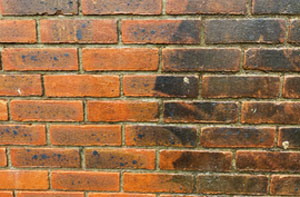
There are various methods for cleaning brickwork, including sandblasting, jet washing and chemical cleaning. The state of the bricks and the kind of stains to be removed will determine the choice of cleaning technique. It's important to hire a specialist brick cleaning company that has experience and expertise in the field to ensure that the process is carried out safely and effectively, without causing damage to the bricks or the surrounding area.
Choosing a brick cleaning company that prioritises eco-friendliness is important for those looking to minimise their environmental impact. Moreover, a detailed quote and timeline from the brick cleaning company are essential to enable customers to budget and plan accordingly for the project.
Brickwork Joint Raking UK
The procedure of removing old and crumbling mortar from between the bricks in a wall is commonly referred to as brickwork joint raking. Before repointing, where new mortar is applied to the joints, this is typically carried out. The new mortar bonds well with the bricks, providing a strong and durable finish by raking out the old mortar.
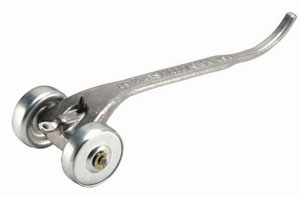
To avoid causing damage to the bricks, the process involves using specialised tools like a mortar raking blade or a raking bar to cautiously remove the existing mortar. Removing the mortar to an appropriate depth, normally about 15-20mm, is essential to make sure that the new mortar sets and adheres properly.
By raking out and renewing the joints, the longevity and appearance of brickwork are improved. It helps prevent water ingress and damage to the structure, keeping the brickwork looking great and maintaining the integrity of the building. This makes brickwork joint raking a vital step in the restoration and maintenance of brick walls in the UK. (Brickwork Joint Raking UK)
Brick Staining UK
Brick staining is a method used to transform the colour of the brickwork on a building in the UK. Staining, as opposed to painting which masks the brick surface, penetrates the brick, maintaining its texture and natural look. This approach is commonly used when the existing bricks are mismatched, discoloured, or when a consistent appearance is required.
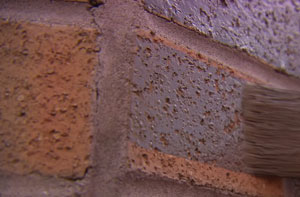
Brick staining offers a high level of durability, which is one of its main advantages. Since the stain seeps into the brickwork, it doesn't peel, fade, or chip as easily as paint does. It provides a solution that is long-lasting for enhancing the look of brickwork without the requirement for frequent maintenance.
Brick staining provides a more breathable solution in comparison to using paint. Bricks can naturally absorb and release moisture, and a breathable stain allows this process to continue. Applying a stain helps to minimise the chance of moisture being trapped inside the brickwork, which can cause damage over time.
Brick staining is actually a comparatively straightforward process but requires meticulous preparation and planning. Clean and dry bricks are necessary before applying the stain to guarantee that it absorbs evenly. The stain dries quite quickly once applied, and the results are generally lasting and permanent, making it a speedy and efficient way to enhance the look of a building's exterior. As brick staining frequently requires scaffolding, it is not a task for the typical DIY enthusiast, meaning most home and property owners in the UK will need to engage an expert. (Brick Staining UK)
Colour Matching Mortar
The aesthetics and integrity of masonry structures, especially historical or older ones, rely heavily on the details. Among these details, mortar colour matching is particularly crucial. Although it might seem unimportant to the untrained eye, mortar colour matching is a vital part of any brick restoration project.
Masonry products such as stones, bricks, or others are bound together by mortar. The structure's visual appeal is heightened by its provision of structural integrity. The choice of mortar is an important consideration when building a brick wall, as it can affect the overall look and feel of the wall. The overall look of a building can be significantly affected by a disparity in mortar colour, as a result.
When buildings in the UK are repaired or renovated, the new mortar must be seamlessly matched with the existing one. The science and art of mortar colour matching is key in this instance. By maintaining uniformity, the structure's original visual appeal is retained, giving the impression that no work has been done at all - a desirable outcome in restoration projects.
Securing a perfect colour match is trickier than it might initially appear. Factors that should be taken into account include:
- Additives: In contemporary mortars, there may be several additives, including durability-boosting chemicals and colour enhancers, each of which can affect the mortar's ultimate colour.
- Binders: Binders such as cement and lime also play a role in impacting the mortar's colour. The specific ratios in which these materials are used can lead to subtle variations in the mortar's shade.
- Sand: The colour, type and granularity of sand used in the mortar mix play a significant role in determining its final colour. Different regions have sands of different shades and hues, and thus sourcing the right kind of sand becomes of paramount importance.
With the passing of time, environmental conditions like fluctuations in temperature, moisture and air pollution cause mortar to change colour. Thus, the challenge is not only to match the original colour but to gauge how the new mortar will age compared with the old.
The merits of mortar colour matching surpass purely cosmetic considerations. Differential settling or thermal movement can arise if there is a mismatch in the mortar's strength and composition. This might result in the building's structural stability being compromised as time passes.
In a nutshell, it is clear that accurate mortar colour matching is a fundamental aspect of masonry restoration, demanding both a deep understanding of technical processes and the ability to achieve a visually harmonious result. For both the property owner embarking on a family home restoration and the conservator dedicated to the preservation of a historic building, securing the perfect mortar match is a vital part of the process. It provides not just visual enhancements, but also lasting functionality and resistance to wear and tear. (Mortar Colour Matching UK)
Brick Replacement
When repointing work is being done in the UK, it is sometimes necessary for bricks to be replaced as well, especially if they are badly cracked, spalled, loose, or otherwise damaged to the point where they cannot be repaired. Adding new mortar around only those defective bricks will not improve the overall structural integrity of the walls or prevent future deterioration, so replacing them is often a much better permanent solution. The damaged bricks will need to be removed very carefully to avoid interfering with any of the surrounding masonry, and replacement bricks will be matched to maintain the same appearance & character as the property. New bricks will then be bedded in a new mortar mix that closely matches the existing mortar in colour, texture & composition. After the new bricks are installed, the joints will be repointed to appear as if they are a seamless part of the existing brickwork. By completing brick replacement as part of a repointing project, the structural stability of the wall can be increased, the weather resistance of the wall can be improved and the appearance of the wall can be enhanced.
UK Repointing Tasks
Just Some of the Jobs That a Repointing Specialist Can Do

There is a wide range of work that can be accomplished by your local UK repointing specialist including chimney repairs, mortar raking, damaged brickwork repairs, brickwork inspections, brick wall repointing for weathered or damaged external mortar joints, repointing rates, renovations to damaged brickwork, repairs to stone walls, the lime pointing of brickwork and stonework, facade restoration, lead valleys renewed or repaired, masonry and brick decorating, lintel replacement, repointing of extensions & garages, tile repointing, lime mortar repointing for older properties & traditional brickwork, the repointing of chimneys, repointing inspections & surveys to assess condition of mortar joints, brickwork conservation, fireplace repointing to restore worn mortar joints & improve safety, dry verge systems, roof verge repointing, and repointing scaffolding.
 FAQ: Here are some of the most frequently asked questions about repointing services: Do all properties eventually need repointing? Can repointing help stabilise an old stone boundary wall? Does replacing damaged bricks improve the structural stability of a wall? Can repointing fix bulging walls? What is tuckpointing? Will repointing change the look of my house? What happens if I delay repointing? Is repointing required after storm damage? Do older fireplaces need a special mortar mix for repointing? Is repointing a permanent solution? What causes mortar to fail?. Reading through the article should clear up most of these points.
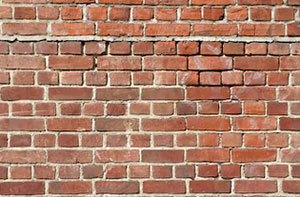 Repointing UK
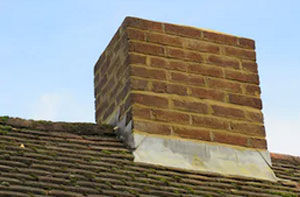 Brickwork Repointing Near UK
Repointing Brickwork UK
Brickwork Repointing Near UK
Repointing Brickwork UKRepointing in the UK area, 044.
Repointing Brickwork, Repointing Mortar Joints, Repointing Near Me, Repointing Houses, Repointing UK, Repointing Stone Walls, Brickwork Repointing UK, Brick Repointing UK, Residential Repointing, Repointing Services, Repointing Chimneys, Repointing Patios, Brickwork Repairs